No herds. Just heart.
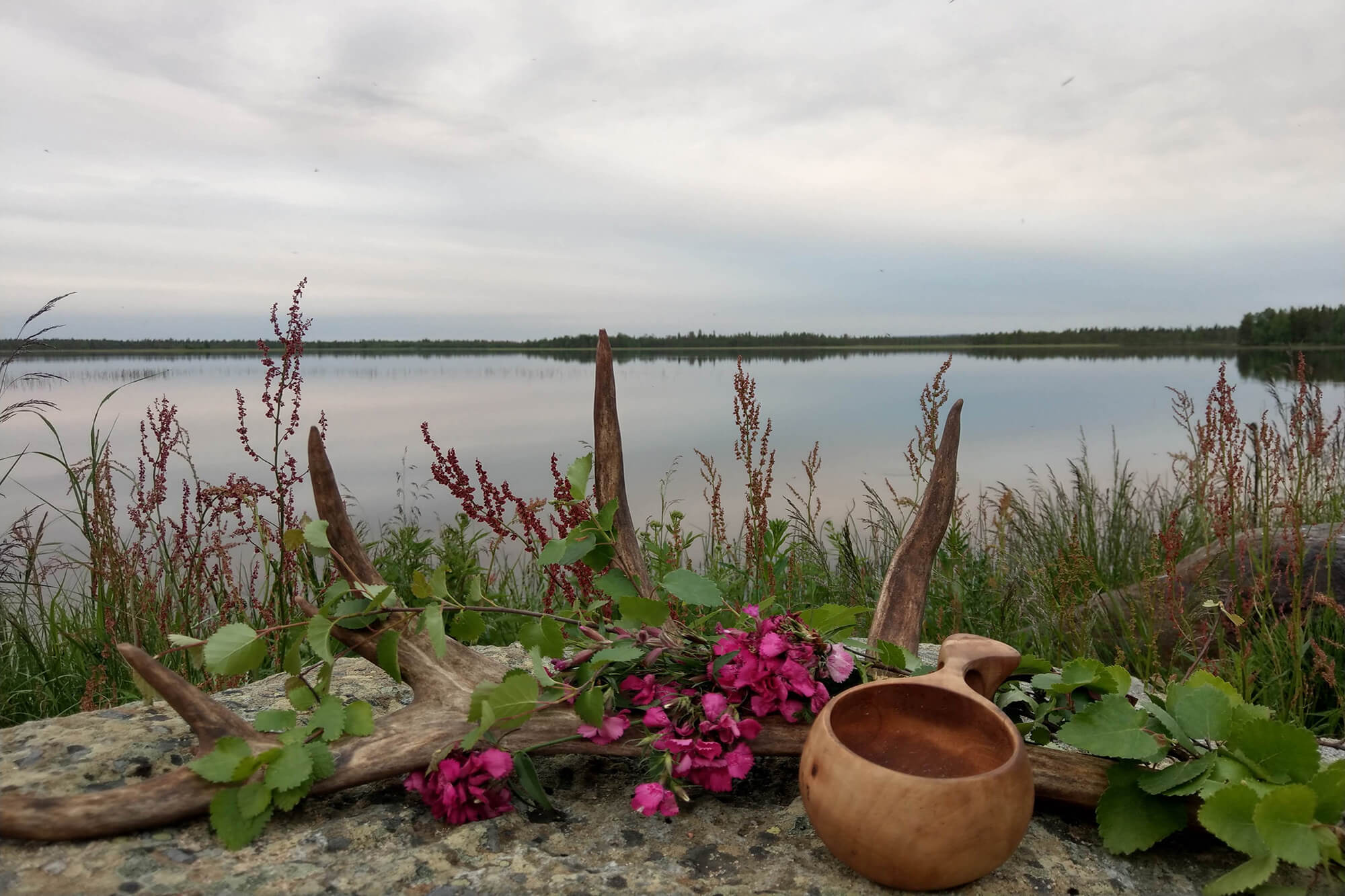
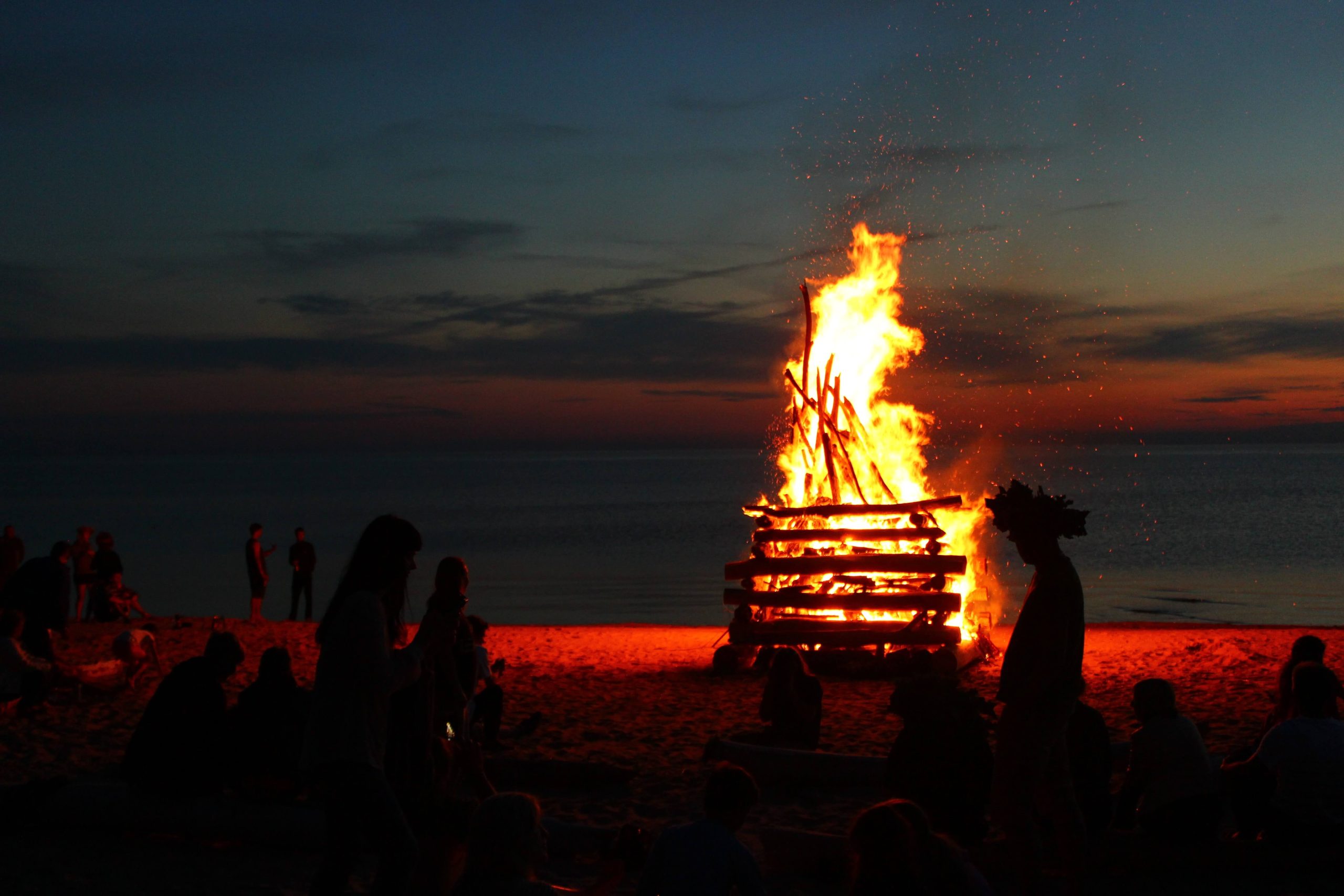
The sun barely touches the horizon. The lakes reflect gold through the night. Somewhere in the distance, smoke rises from a bonfire on the shore.
Few celebrations capture the spirit of Finland quite like Finnish midsummer traditions.
Welcome to Juhannus, Finland’s midsummer celebration.
For many Finns, Juhannus is the most important holiday of the year. More important than Christmas. More anticipated than New Year’s Eve. It marks the arrival of summer, long-awaited holidays, and the magical moment when daylight seems almost endless.
Here in Finnish Lapland, where the Midnight Sun shines day and night, Juhannus feels less like a festival and more like a gentle reminder that nature has reached its brightest point.
Juhannus is the Finnish celebration of the summer solstice, the longest day of the year.
The name comes from John the Baptist, whose feast day was traditionally celebrated on June 24th. But the roots of Juhannus reach much further back than Christianity.
Long before churches arrived in Finland, midsummer was celebrated as a festival of the sun, fertility, and abundance. Some Finnish midsummer traditions were connected to Ukko, the ancient Finnish god of the sky and thunder. Others were simply expressions of gratitude for light, warmth, and the promise of a good harvest.
Over time, old beliefs and Christian traditions merged together, creating the celebration we know today.
And while Finland has become a modern country, midsummer still carries a touch of that ancient magic.
According to Finnish folklore, midsummer night is when the boundary between the ordinary and the magical becomes especially thin.
Nature is full of signs. The dew is believed to hold special powers. Spirits become more active. And if you are hoping for love, luck, or glimpses of the future, midsummer is the perfect time to try your hand at a little folk magic.
Here are some traditional charms collected from Finnish folklore archives.
Before sunrise on midsummer morning, wash your face and eyes with dew gathered from the grass.
Roll naked in a dew-covered meadow during midsummer night. Apparently beauty, luck, and nudity frequently appear together in Finnish folklore.
Lie at the edge of a marsh with your legs knee-deep in the water. A guide leading you to hidden treasure may appear.
Sit on a rock in the rapids and play your instrument. The water spirit Näkki may teach you new skills.
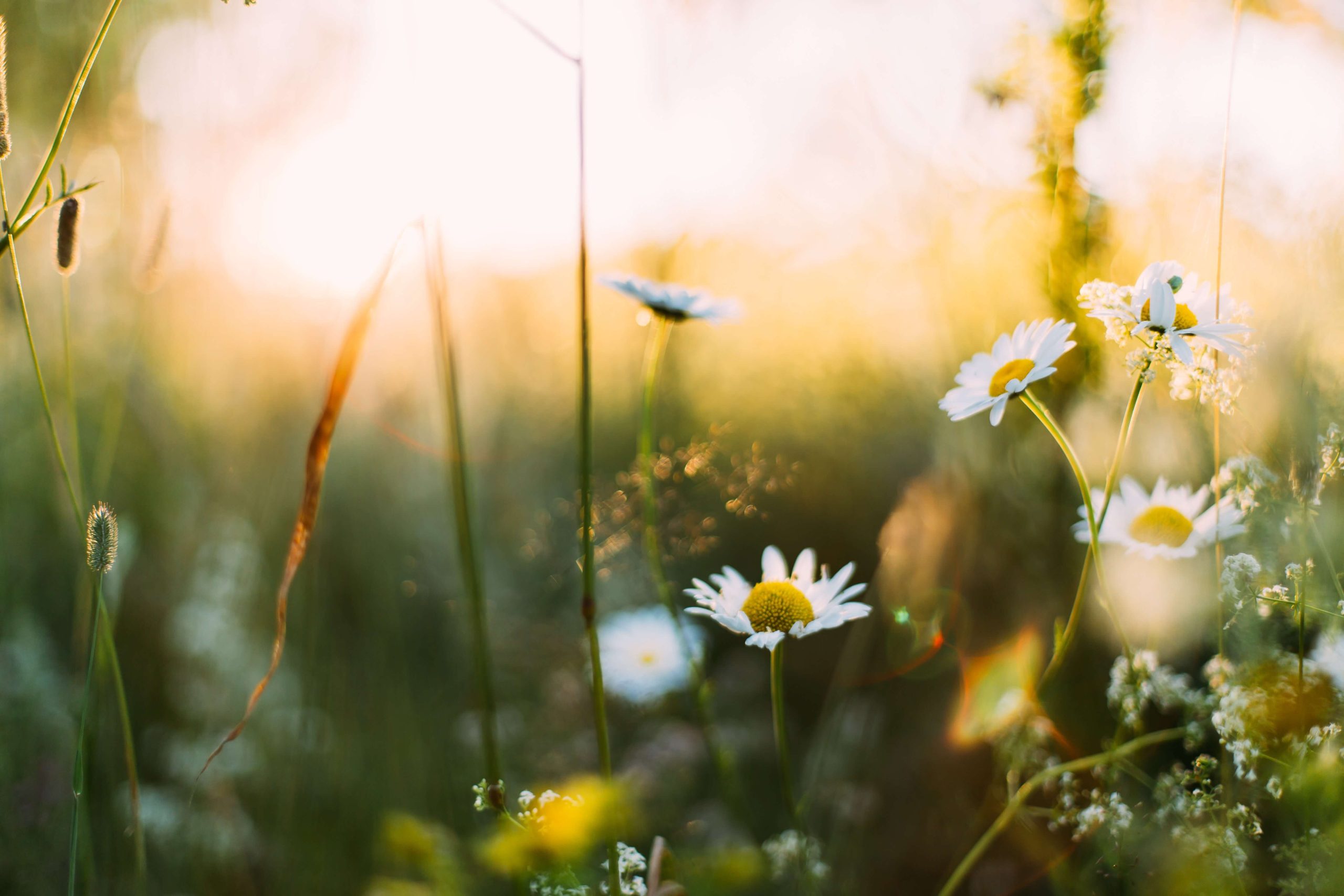
Gather seven different flowers on midsummer night and place them under your pillow before sleeping.
Some versions promise your future spouse will appear in your dreams. Others simply say your deepest wish may come true.
Run naked from the sauna through the ditches of a rye field. At the ninth ditch, your future spouse should appear.
Finnish folklore certainly had a recurring theme.
Do not sleep through midsummer night.
According to tradition, you will remain sleepy for the rest of the summer.
Traditionally, Finns spend Juhannus at summer cottages by a lake, surrounded by family and friends.
The essentials are surprisingly simple:
If weather conditions allow, large bonfires are lit along the shores. Families grill sausages, enjoy potato salad and fresh strawberries or strawberry cake, and spend the evening moving between the sauna and the lake.
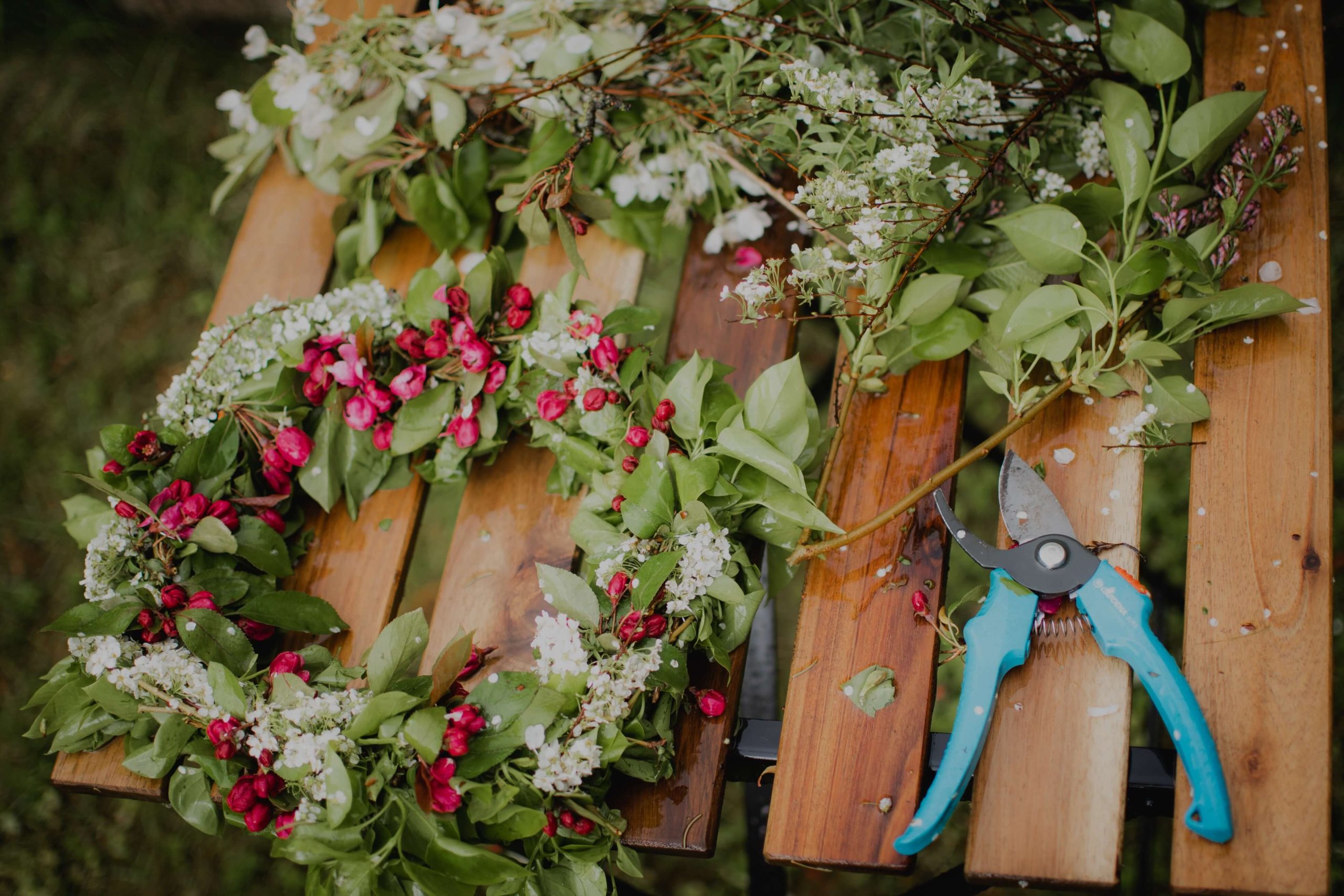
The atmosphere is relaxed and unpretentious. Nobody is trying to impress anyone. The goal is simply to enjoy the brightest days of the year. Many homes are decorated with young birch trees placed beside the entrance door, a tradition believed to invite good fortune and positive spirits.
One thing that always reminds me how uniquely Finnish Juhannus can be is the annual Midsummer Bingo organised by the Finnish outdoor company Varusteleka.
Participants try to guess how many people will drown during the Midsummer weekend. The fewer people drown, the bigger the prize. It sounds shockingly dark at first. But the idea is actually to raise awareness about water safety during a holiday that traditionally involves boats, lakes, saunas and alcohol.
In a very Finnish way, the campaign combines public safety, practical common sense and extremely dark humour into one package.
Honestly, I can’t think of a better summary of Finland.
People often imagine that Juhannus in Lapland must be a huge celebration.
The reality is much quieter.
In Ylläs, there may be live music, a local bonfire, or a community gathering. But for many of us, Juhannus is simply an opportunity to spend time with friends, enjoy good food, and appreciate the extraordinary light around us.
Since we have already been living under the Midnight Sun for weeks, midsummer itself does not feel dramatically different from the days before. Instead, Juhannus serves as a gentle reminder:
From now on, the nights slowly begin to grow darker again. In August, darkness returns. The first northern lights may appear. Autumn waits just around the corner. And winter, despite feeling impossibly far away, is only a few months behind it.
Finnish folklore promises visions of future spouses, hidden treasures and magical powers. Most years, my own Juhannus consists of grilled food, good company, unsuccessfully trying to convince mosquitoes that I am not part of the buffet, and checking the weather forecast to make sure we’re not getting surprise snowfall.
Living in Lapland teaches you never to trust the calendar.
A few practical things are worth knowing:
If Finnish folklore and Finnish midsummer traditions teaches us anything, it is this:
Collect the morning dew. Listen carefully to nature. Keep your eyes open for signs and wonders.
And if you intend to practice midsummer magic, tradition suggests that doing so without clothes significantly improves your chances of success.
Happy Juhannus from Ylläs! May your summer be filled with light, laughter, and a little bit of magic.